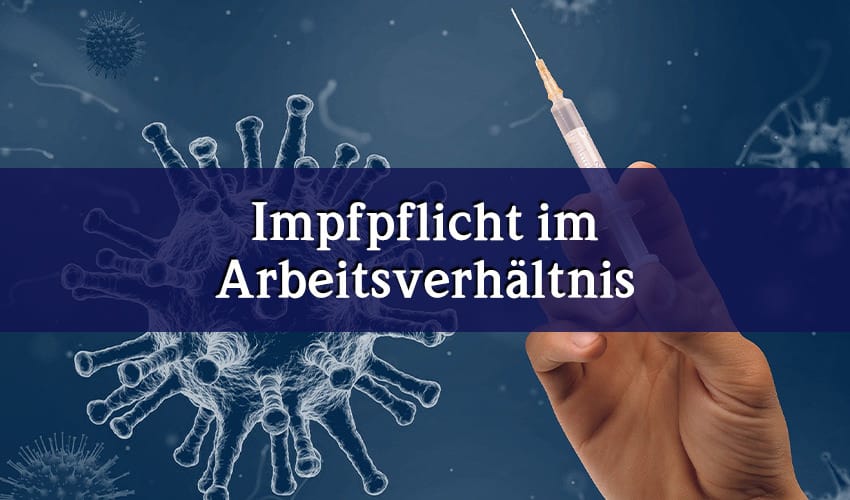
The coronavirus is still a daily companion throughout the world and no one knows how this situation will develop. Many industries are experiencing economic difficulties and many companies are currently trying to reduce their workforce. In addition to dismissal, a termination agreement, which is usually accompanied by a lucrative severance payment, is an option that many companies are considering.
In the coalition agreement, the governing coalition agreed to promote mobile working. This fulfills an obligation from an EU directive, which must be implemented by 2022. A draft bill from the SPD-led Ministry of Labor that has now been submitted to the Chancellery was stopped without further ado. The discussion is over - if only because of the obligation to implement the EU directive
The Skilled Immigration Act expands the framework for the immigration of qualified skilled workers from countries outside the EU to Germany. In future, skilled workers with vocational, non-academic training will be able to immigrate to Germany more easily for work purposes. Existing regulations for skilled workers with a university degree will be continued and in some cases further facilitated, but will not change fundamentally. Important for employers who employ foreign skilled workers,
Trade secrets are often an important economic asset in a company. This is why they are now also protected more efficiently in Germany: The Trade Secrets Act (GeschGehG) has been implementing Directive (EU) 2016/943 since spring 2019. Until then, violations of trade secrets were sanctioned under criminal law in the Act against Unfair Competition (UWG), among others, and claims for injunctive relief and damages were based on the German Civil Code (BGB).